
Written by: Senior QA Engineer
Mykhailo RalduhinPosted: 13.08.2026
12 min read
Between a prototype and a product trusted in real clinical use, there's a gap most health tech teams don't plan for.
That gap is scale.
What works in demos fails under real traffic. Integrations behave differently in production. Performance, security, and compliance stop being theoretical and start blocking releases.
Without structured QA, growth becomes unpredictable.
In this article, we'll show where health tech products actually break as they scale, what structured QA really means beyond buzzwords, and how teams can introduce it early without slowing delivery.
Structured QA isn't overhead. It's infrastructure. It's what allows health tech products to grow safely, predictably, and in line with regulations, without trading speed for control.
Healthcare QA expertise you can build on
What "structured QA" actually looks like in practice
People usually fall into two groups: those who visit a dentist regularly, keeping their oral health in check and catching issues early, and those who only go when the pain becomes impossible to ignore. That's a simple analogy for the difference between structured and occasional QA.
Structured QA is essential for health tech startups, as it not only spots bugs but also prevents problems that can hinder further development or delay regulatory approval.
Basically, structured QA is an approach where every development phase, from concept to post-release, includes specific checks. It requires setting up clear workflows, comprehensive documentation, and good traceability so every release comes with a solid quality foundation.
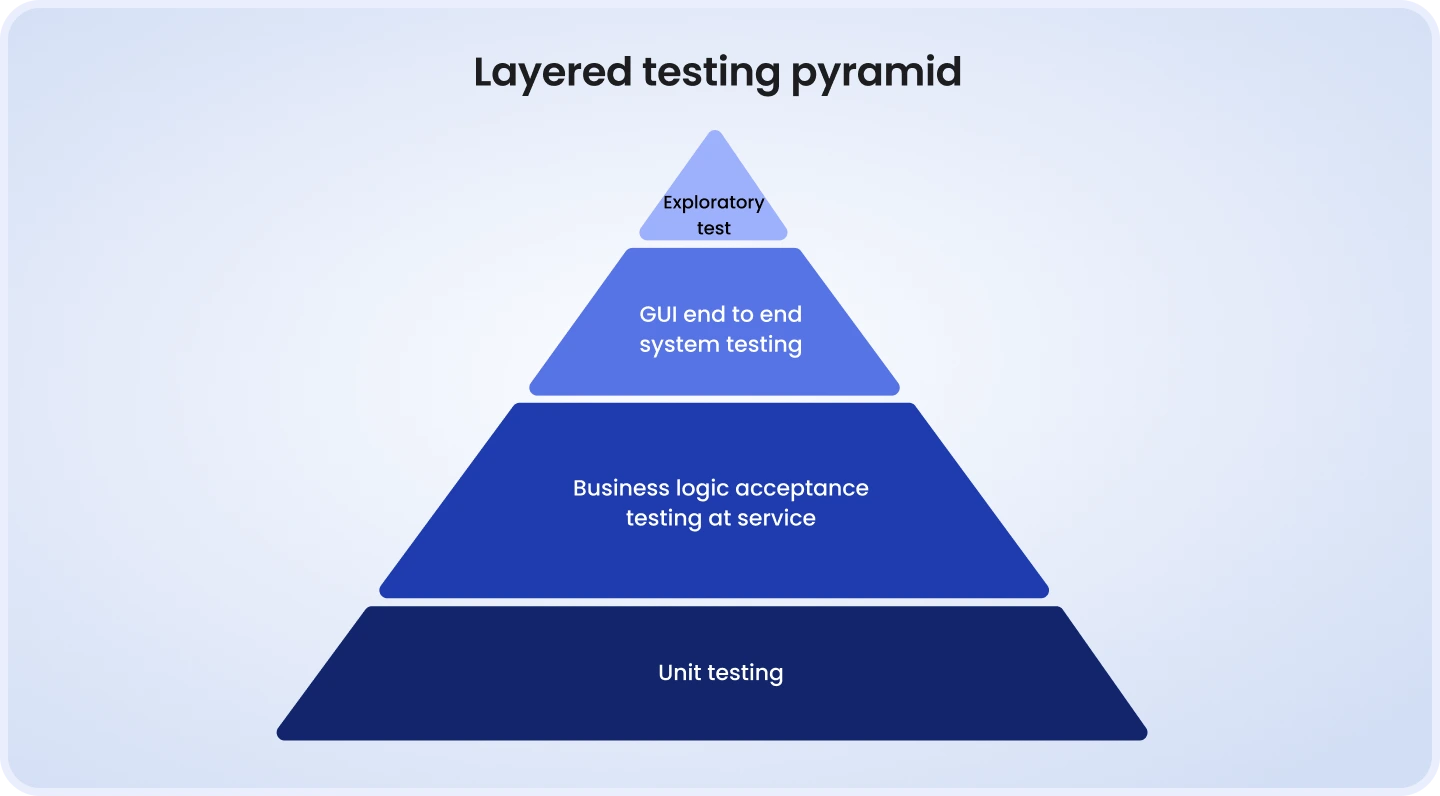
In early-stage health tech projects, structured QA usually includes:
A clear test strategy, having in place a detailed plan of what's tested, when, how, and by whom.
Layered testing, combining unit, integration, UI, and exploratory testing so issues get caught at the lowest, cheapest level possible.
Risk-based prioritization — targeting efforts on patient- and business-critical flows first, while nice-to-haves wait their turn.
Requirements & traceability — keeping clinical/business requirements, risks, test cases, test outcomes, and bug reports linked to make audits smoother and progress transparent.
Test data & environments discipline — testing healthcare applications with PHI-safe datasets, real-world scenarios, and stable and observable environments that don't flake when traffic surges.
Automation backbone — creating and maintaining test automation suites that tackle repeatable tests, high-risk edges, and core integrations.
Continuous testing — adding automated tests into CI/CD pipelines, so every new build gets tested continuously without slowing deployment.
Thorough security & compliance checks — baking threat modeling, dependency hygiene, SBOM, and vulnerability checks into feature development to ensure data safety and compliance with applied regulations.
Evidence management — creating a single repo with test coverage, results, risks, and release artifacts so partner or regulator reviews take days, not weeks.
When done properly, structured healthcare application testing becomes a launchpad for fast, reliable releases. Instead of being a bottleneck at the end, it serves as an engine that keeps your team shipping quickly even when you deal with intricate regulations and real patient impact.
How structured QA drives the fast scaling of early‑stage health‑tech projects
Digital health doesn't fail because teams lack ambition. It fails because complexity is ignored.
Regulations, integrations, funding, adoption — these are symptoms, not causes. The real problem is simple: no structured QA.
Early teams chase speed. That's natural. But speed without testing isn't progress — it's chaos waiting to ship.
Structured QA brings order. It makes products reliable, fast, compliant, and trustworthy. When introduced early, it cuts technical debt, prevents painful fixes later, and earns user trust.
This is how disciplined QA turns growth into scale:
1. Early definition of processes
Early-stage health tech projects benefit from clearly defined QA processes, since they prevent chaos as the product scales. Comprehensive testing and robust quality monitoring optimize development cycles and speed up release timelines.
2. High speed without fear
Structured QA gives you confidence that all your money-making and patient-critical paths work as needed. Green pipeline? Go ahead and ship. Red? Fix. You move fast simply because you're not guessing or hesitating.
3. Nipping issues in the bud
Structured QA infuses testing into the whole SDLC. Automated unit and integration tests catch bugs early, CI/CD pipelines establish quality gates for every release, and the risk-based approach assures thorough testing of critical functionality. As a result, you enjoy fewer surprises, smoother releases, and frequent shipping.
4. Proof on tap
A healthcare solution that scales requires traceable evidence of what's been tested, what risks remain, and how issues were addressed. Structured QA handles this excellently. Thanks to the artifacts that QA teams create and maintain, all team members, as well as regulators or partners, can quickly conduct reviews. If you want to quickly get regulatory approval, ensure good traceability from the start.
5. Readiness for real-world loads
Health-tech products usually start small, but usage can spike quickly, whether because of more patients logging in, additional devices integrating, or new data streams coming. Structured QA implies regular stress and load tests as standard practice, helping identify performance bottlenecks before they affect users.
6. Compliance and security at the core
Health-tech startups can't scale when every new release triggers security problems or regulatory red flags. Structured QA helps with this by integrating security and compliance checks in feature development as early as possible. This prevents late-stage roadblocks, makes audits easier, and ensures fast and safe growth.
7. Feedback loop for continuous improvement
Structured QA comes with constant learning that fosters continuous improvement. Exploratory testing, bug locations, and performance metrics help teams refine features, optimize processes, and make the right decisions about scaling priorities.
Take CipherHealth, a provider of a patient management platform. The DeviQA team not only shared test reports but also actively participated in Scrum meetings, providing development and product teams with ideas for improvement.
8. Support for strategic decision-making
Thanks to the test reports and test evidence provided by QA engineers, leadership can make better decisions. Whether deciding to onboard new partners, hit new markets, or introduce complex integrations, structured QA provides accurate data that backs those decisions.
Tips on structural QA in your health tech project
How to set up structured QA on an early-stage healthcare project when you have so many other tasks to perform? A professional approach is needed, and here are a few tips from our QA experts:
1. Start with designing a QA strategy
Develop a testing vision early and keep it concise but informative enough. A simple, shared QA strategy becomes the anchor as the system gets more complex.
Define ownership, objectives, and priorities.
Outline acceptance criteria for critical workflows like patient data capture, instant alerts, and API communication.
Include QA checks in your definition of done, so quality is part of every sprint.
Keep documentation well-organized. It should have simple naming conventions, versioning, and traceability so it easily scales as the product evolves.
When Arklign, a provider of a dental management platform, turned to us to improve the quality of their product, they had no QA process in place. Therefore, we started by drafting a test strategy, test plan, and other essential documentation. Only after that, we got down to testing itself.
2. Implement risk-based testing
Startups usually have restricted time and resources, so comprehensive testing isn't realistic. The best solution is to focus on high-risk areas. Risk-based testing prioritizes features where failures would have the biggest impact.
Identify particularly risky areas like PHI handling, clinical logic, payments, and any functionality directly impacting patient safety.
Use a simple risk matrix to prioritize your testing efforts efficiently.
After each release, review the matrix to promptly respond to new risks.
Use a specialized tool to link risks to test cases and outcomes for immediate reference.
3. Ensure testability of the architecture
Encourage QA and development teams to work closely on making the system test-friendly from the outset. Testable architecture simplifies and speeds up automation and integration checks.
To make sure testability is considered, give voice to your QA engineers when talking about architecture or design.
Enable early execution of performance tests to be confident in system scalability.
Keep API contracts stable to make your integration tests reliable.
To streamline automation, leverage hooks, diagnostic logs, and test endpoints.
For simultaneous testing of several scenarios and integrations, utilize separate test environments or feature tags.
4. Harness automation wisely
As soon as your healthcare system is stable enough, you can get down to test automation. This will speed up delivery while decreasing manual effort.
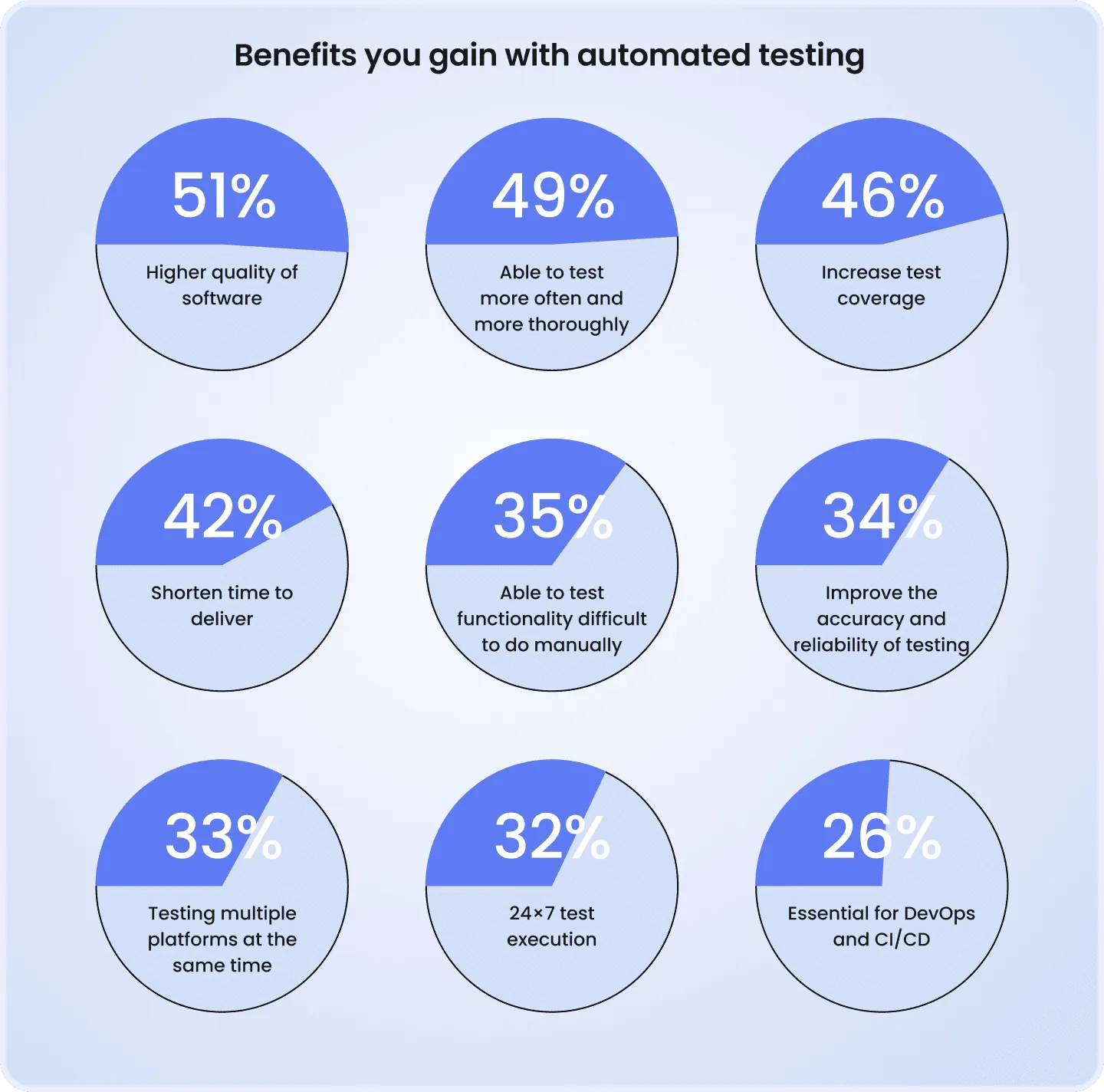
Firstly, target stable layers, i.e. API and backend logic, and only then move to UI.
Automate smoke and regression tests for core workflows first.
Keep tests readable and reliable, as this ensures easier maintainability.
Remove or fix flaky tests before they slow down your releases.
Pick tools and frameworks that are in line with your stack.
Automated testing brings really tangible results. Thanks to QA automation, Abbott, for whom we tested a cloud-based diabetes management platform, started shipping releases more frequently. Regression testing time dropped 18×, and smoke tests across 27 country versions run 85% faster.
5. Add compliance and security tests to your CI/CD pipeline
The MedTech Europe IVDR & MDR survey shows that the compliance burden has increased immensely, becoming a major obstacle to innovation. To move faster, integrate security and compliance checks into CI/CD.
Insert vulnerability scanning, SBOM generation, penetration testing, and dependency checks into a CI/CD pipeline.
Review libs weekly and fix CVEs automatically where possible.
Integrate GitGuardian, TruffleHog, or other secret scanning tools to catch exposed credentials early.
Use CI/CD gates to stop deployments with critical vulnerabilities.
Automatically store reports and scan logs as evidence.
6. Centralize QA documentation
Your test artifacts are proof of appropriate testing. If you keep them well-organized in one repository, your partners or regulators will appreciate this, as it makes reviews much faster.
Store test cases, test outcomes, and bug logs in one repository for quick access.
Use TestRail, Zephyr, Xray, or Confluence to link tests to requirements, maintaining traceability.
To monitor all changes easily, keep all versions of test artifacts.
Integrate evidence collection with your CI/CD to create reports automatically.
When DeviQA joined the WoundTech project, where a mobile wound care solution was developed, test documentation was already in place. Yet, it lacked proper structure, due to which it was hard to maintain and expand it. So, the first thing we did was go through everything, organize it, and fill in the gaps. As a result, test cases are now easy to follow and up-to-date with business requirements.
7. Choose scalable testing tools
The right set of testing tools is needed to ensure efficiency and speed. Choose those that allow growth without necessitating rework.
Your tools should be easy to scale so you can handle more tests and distributed environments when needed.
Make sure tools easily integrate with CI/CD pipelines to enable continuous testing.
Consider budget-friendly or open-source tools to cut your expenses. For instance:
Jenkins, GitHub Actions (free tier), GitLab CI (free tier) — for CI. Playwright, Selenium, or Cypress — for UI testing.
Postman or RestAssured — for API testing.
TestRail (starter plan), Zephyr, or Notion — for test management.
8. Use realistic but not live data for testing
It is paramount to leverage test data that mimics the real-world data without revealing real patient information. This assures efficiency and privacy.
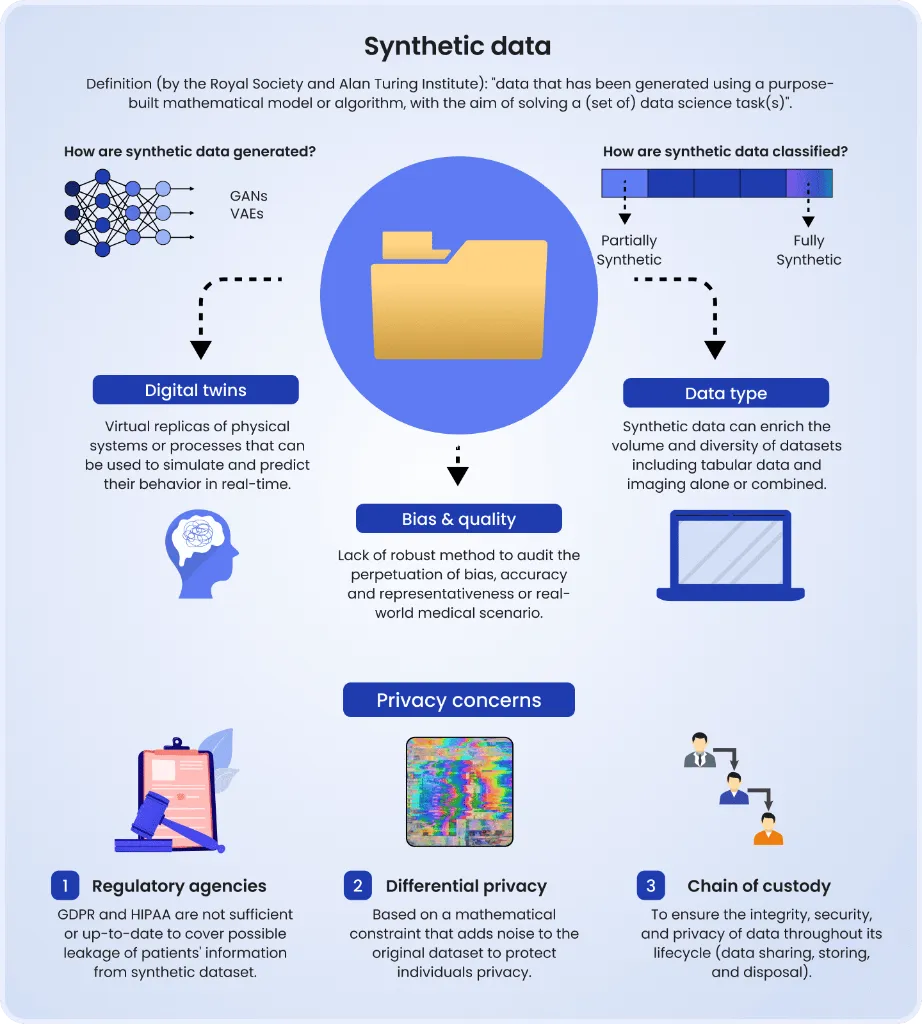
Never use actual PHI for testing. The way to go is to create masked or synthetic data sets. Synthea, Faker, Mockaroo, or similar tools can help with this.
Add a negative test for every critical validation, for example, out-of-range vitals, expired token, and malformed HL7/FHIR payload.
Package sample data with your repo so anyone can spin up the same scenarios locally or in CI.
Keep a small 'data zoo' with reusable samples for common edge cases.
Version your test data alongside your code to monitor all changes and avoid confusion.
9. Test integrations before they spark issues
Integrations always come with certain risks. One faulty API response can affect the operation of the whole system. So, early validations of integrations can help you avoid major issues.
Build contract tests for APIs, verifying requests and responses.
Use versioned adapters to test 'current' and 'next' API versions in parallel.
Record and replay real partner interactions in CI to quickly reproduce integration issues.
Before enabling a new EHR or device feed, check it against the sandbox.
Ensure alignment with interoperability standards such as HL7, FHIR, or DICOM, and verify ONC and HIPAA requirements for U.S. projects.
10. Hire a QA team that knows the ropes
A professional approach is required when it comes to QA in healthcare. A competent QA partner can help you scale really quickly while keeping quality under control. They bring the most appropriate test techniques, advanced tools, and healthcare-specific expertise your in-house team might not yet have.
Choose a provider of healthcare software testing services with profound domain expertise and experience in working with HIPAA-sensitive systems.
Pay attention to those who can effortlessly integrate into your existing pipeline.
Partner early to set up a robust QA foundation before growth gets up steam.
Consider QA partners who adapt their engagement model as your needs change, supporting your internal team while bringing specialized expertise in automation, performance, usability, or security testing when required.
You can skip the long search and start with DeviQA. Don't take our word for it — review our case studies. We've helped both healthcare startups and mature products deliver the level of quality digital health solutions required.
Conclusion
Early on, startups prove value. To scale, they must prove reliability. Structured healthcare software testing turns early wins into repeatable success.
It reduces regressions, speeds up releases, protects user experience, and makes audits predictable, in a market where quality isn't optional.
Teams that want to scale fast and do it right introduce structured testing from day one. If you can't carry that alone, DeviQA helps healthcare products grow with confidence in their quality.
Healthcare QA partner you can count on
About the author
Senior QA engineer
Mykhailo Ralduhin is a Senior QA Engineer at DeviQA, specializing in building stable, well-structured testing processes for complex software products.